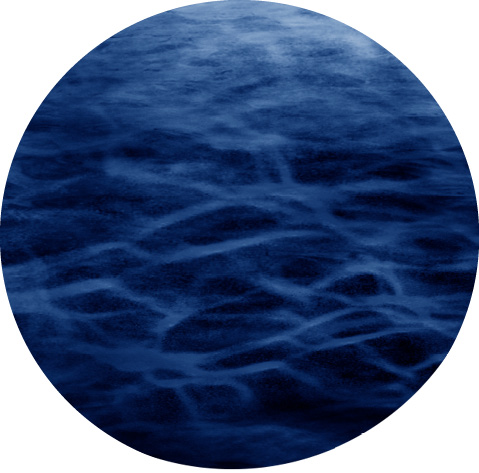
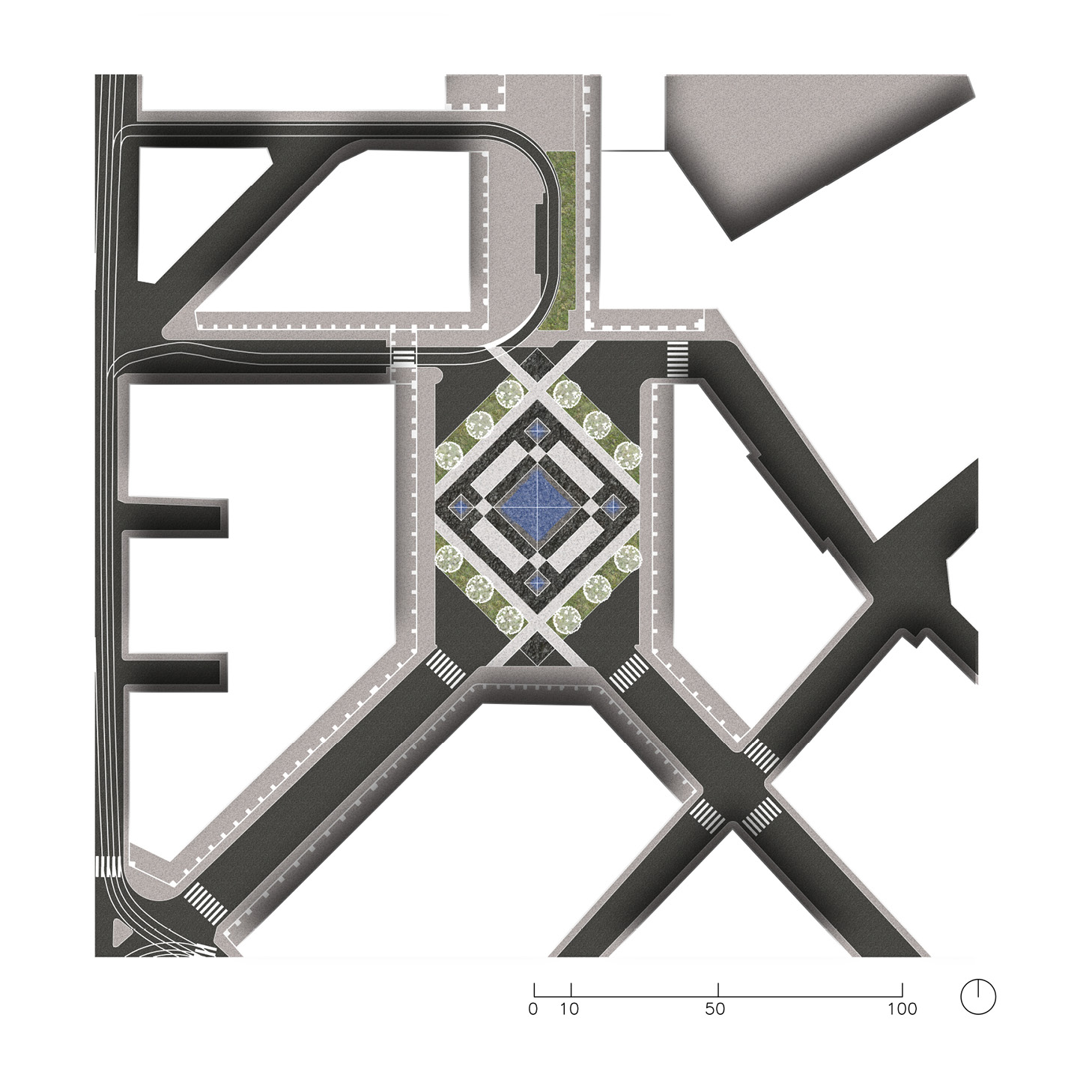
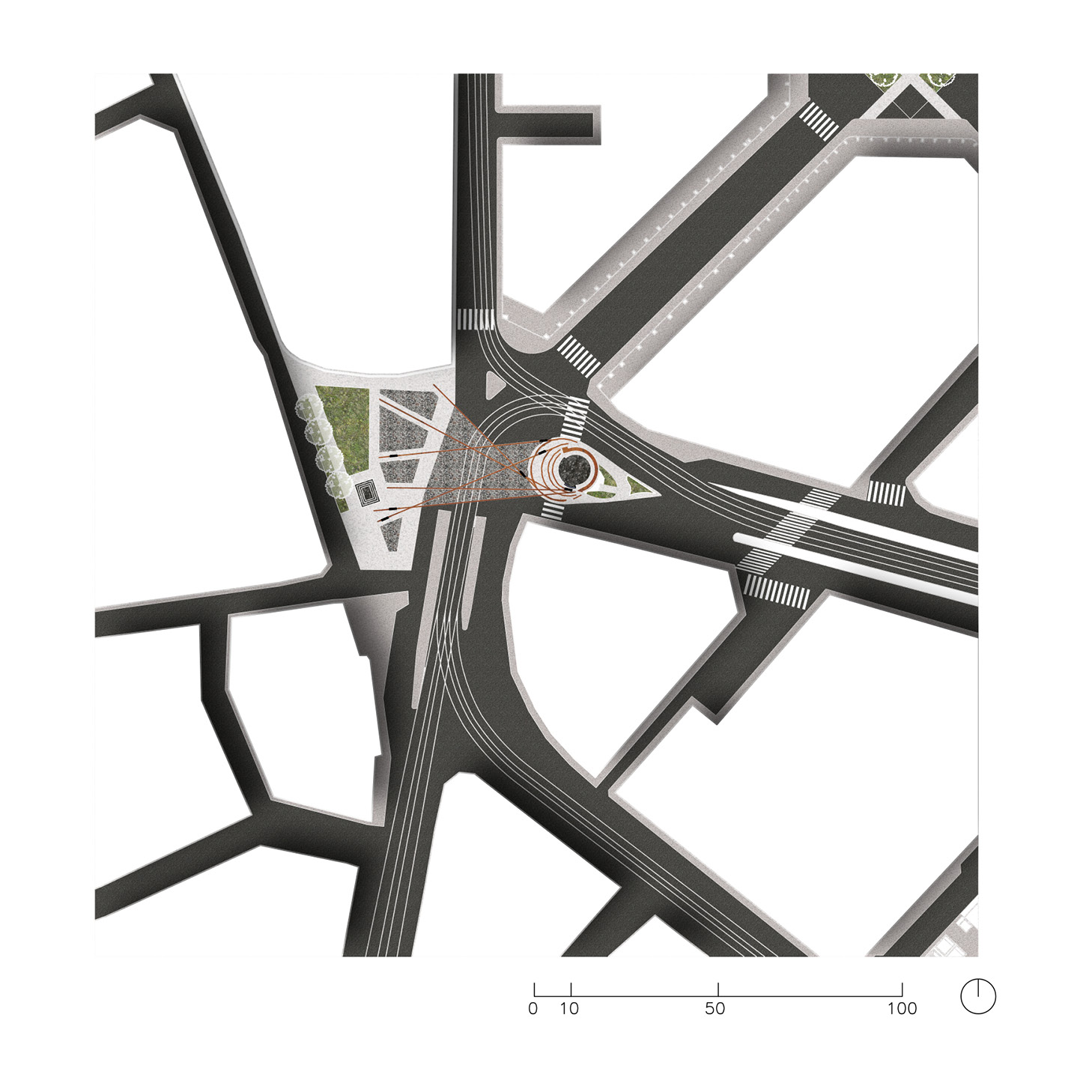
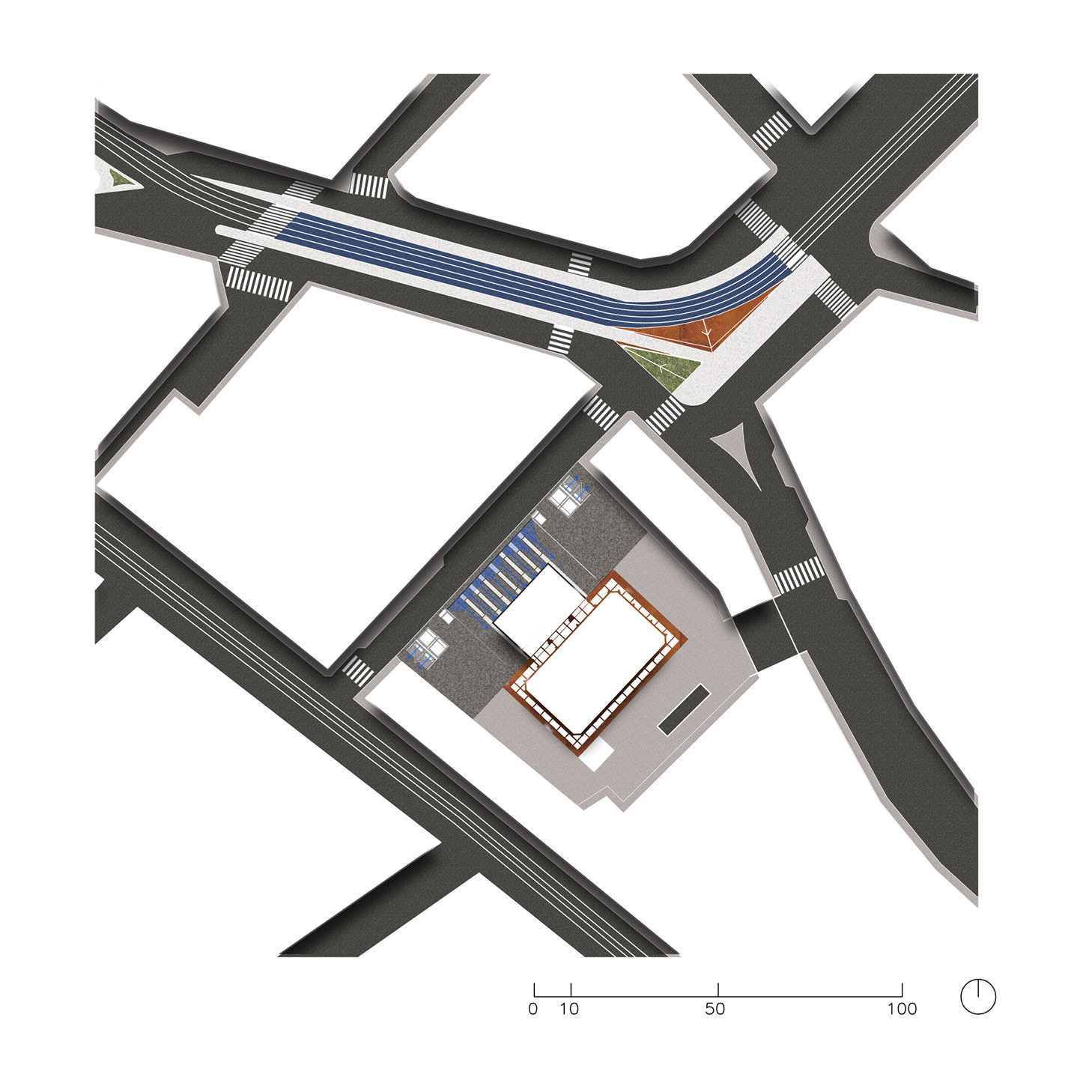
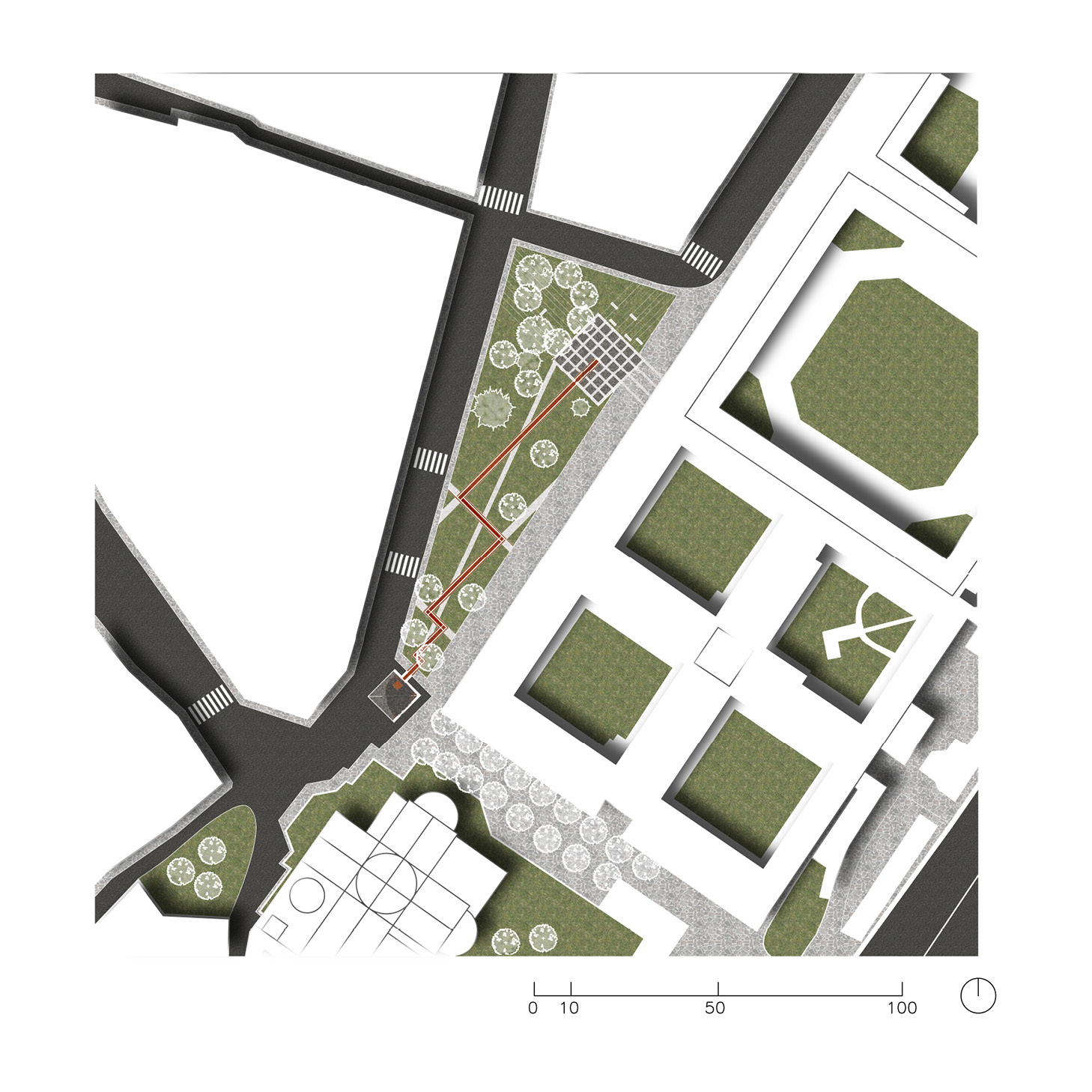
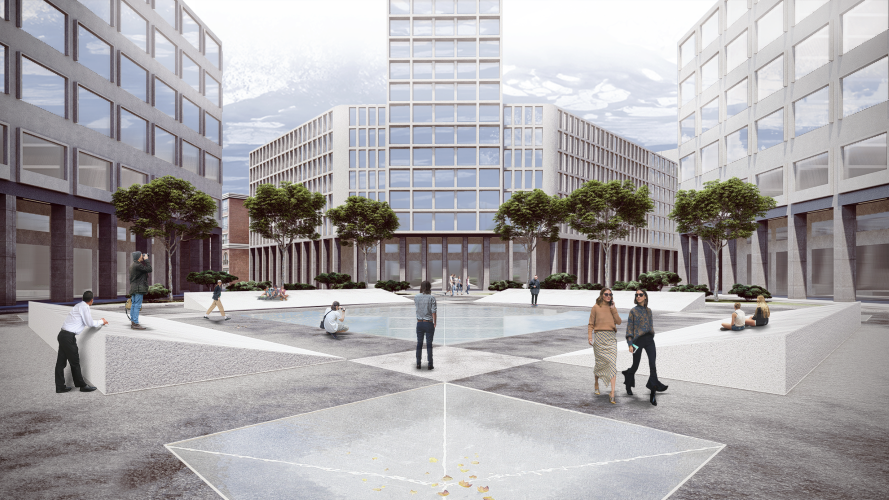
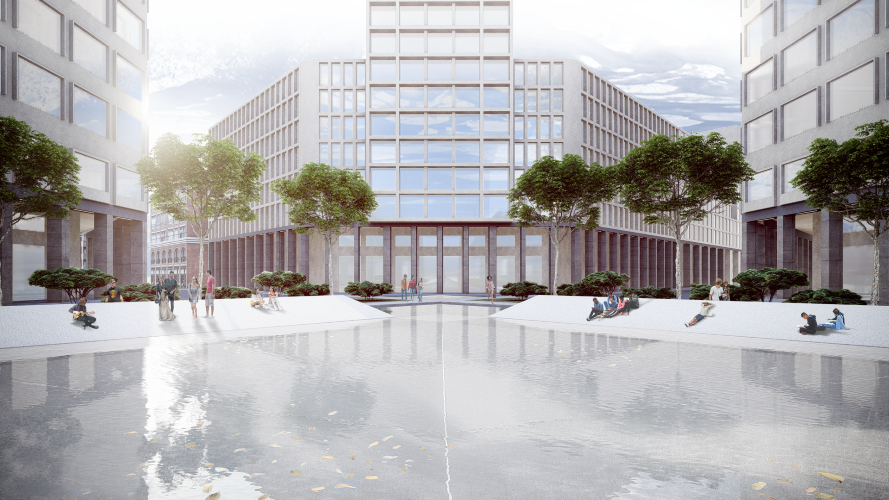
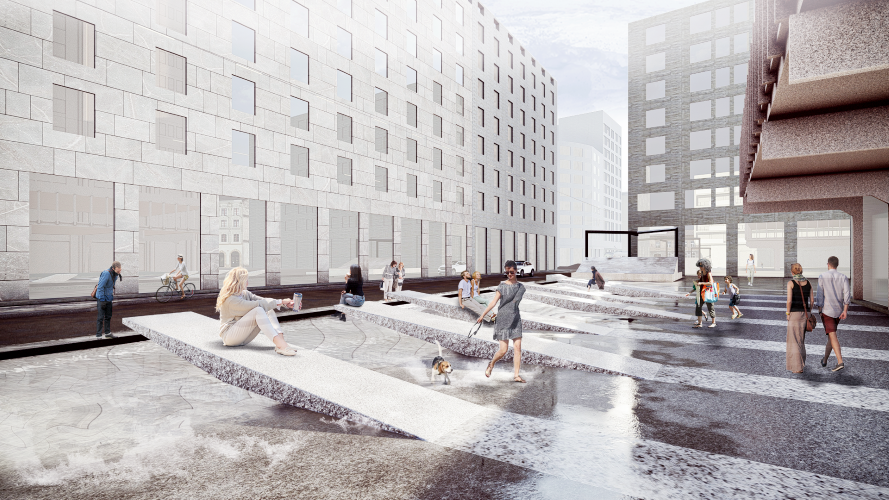
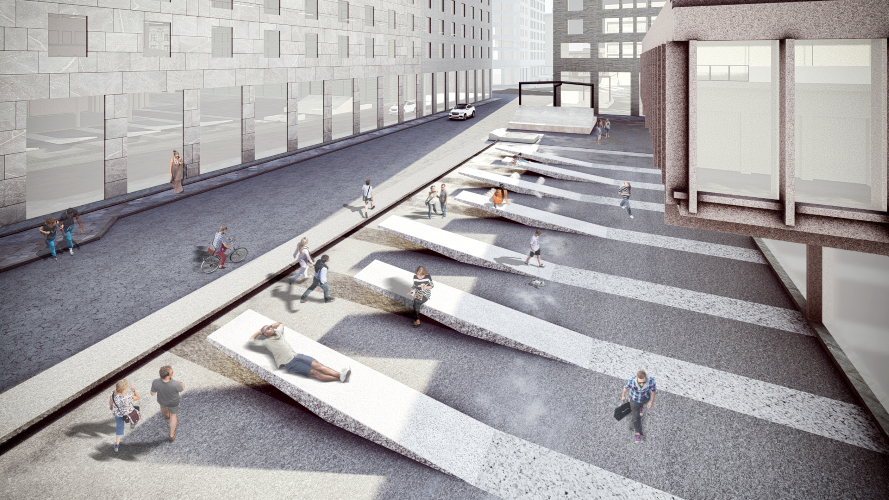
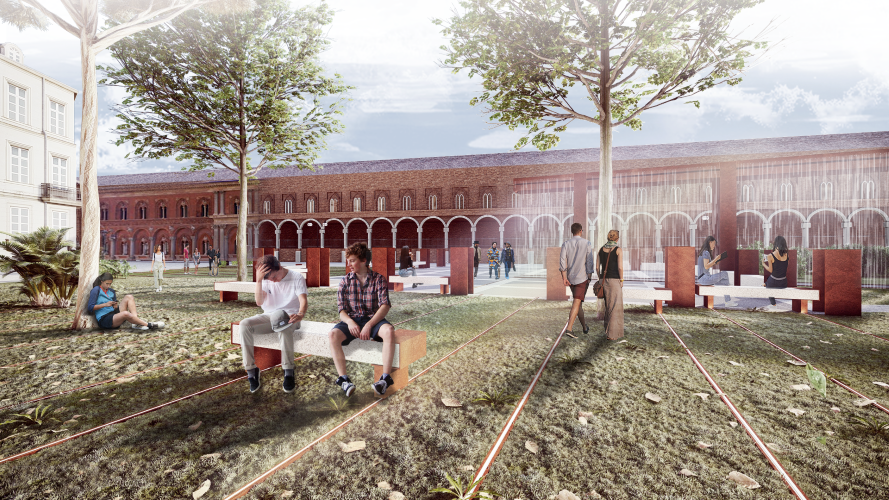
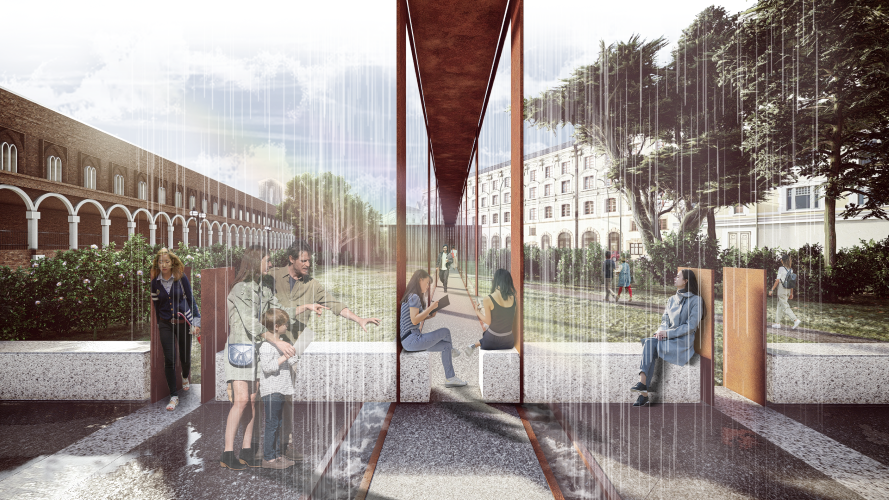
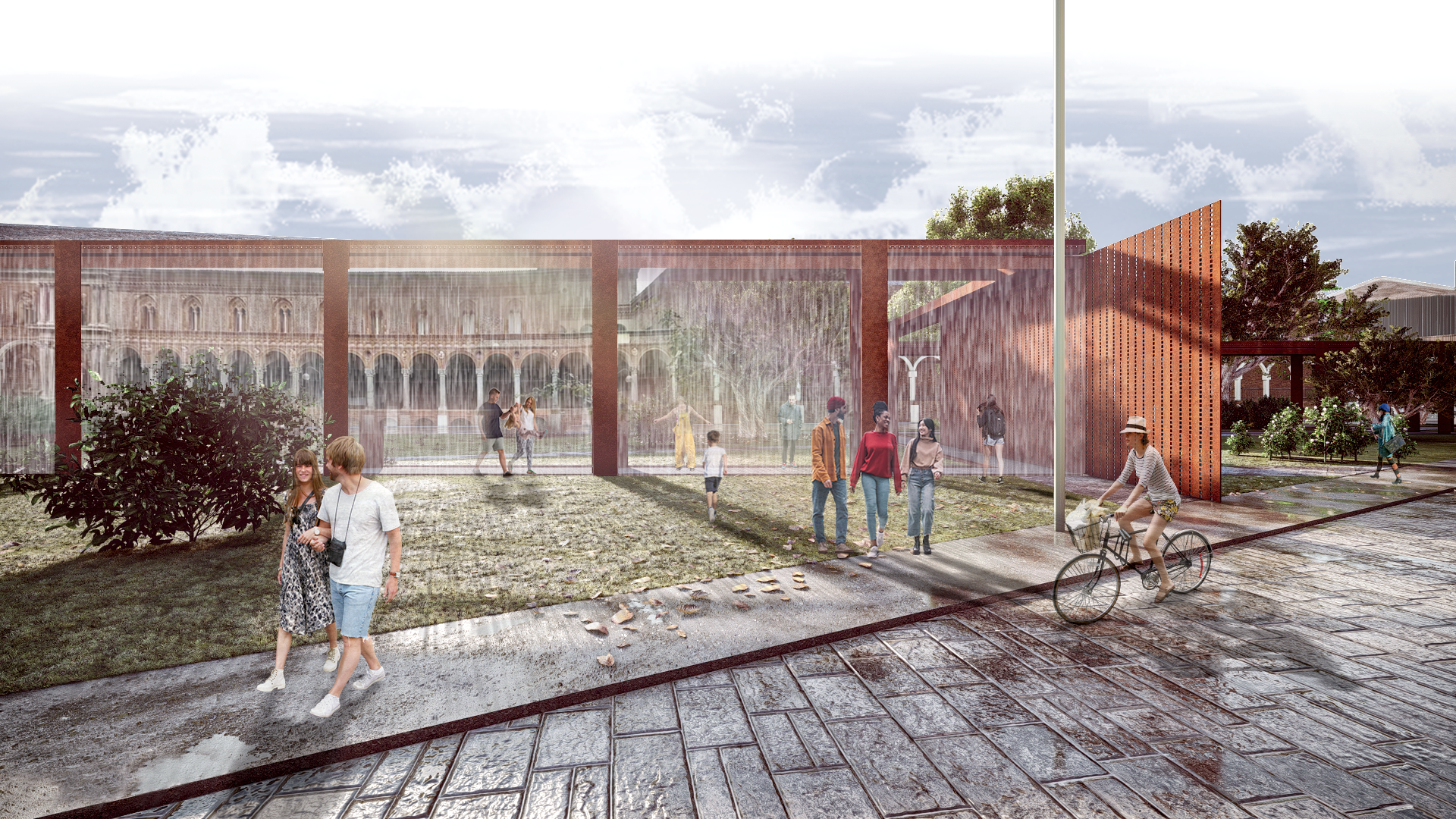
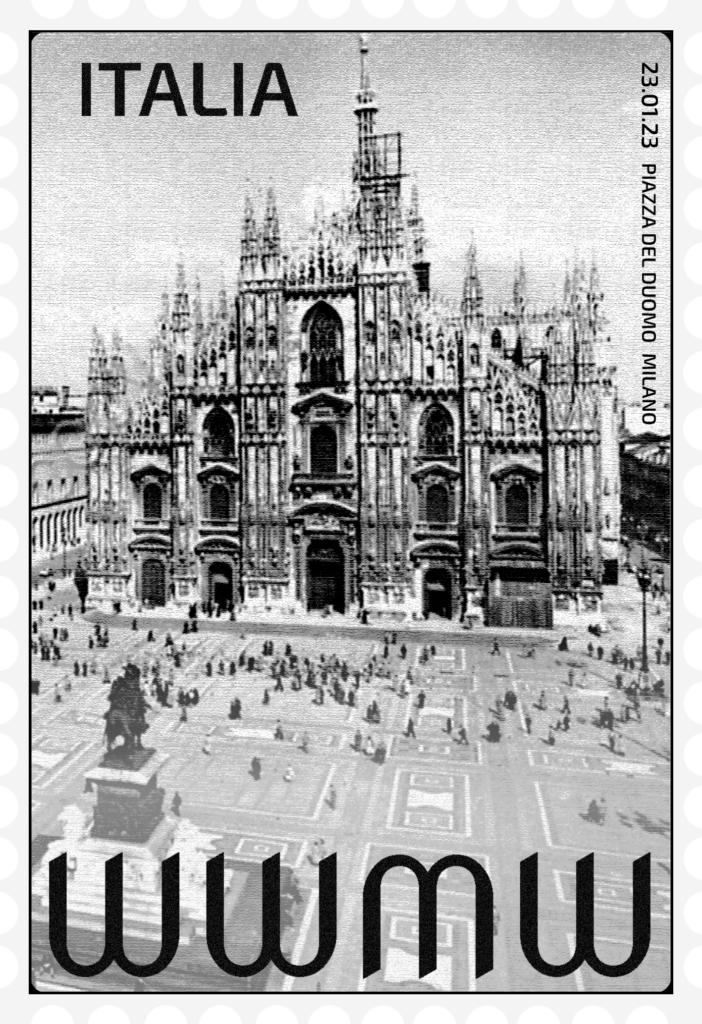
WWMW extends the pattern of Milan Cathedral to the squares and streets of downtown, weaving a system of “waterscapes.”
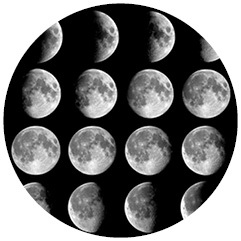
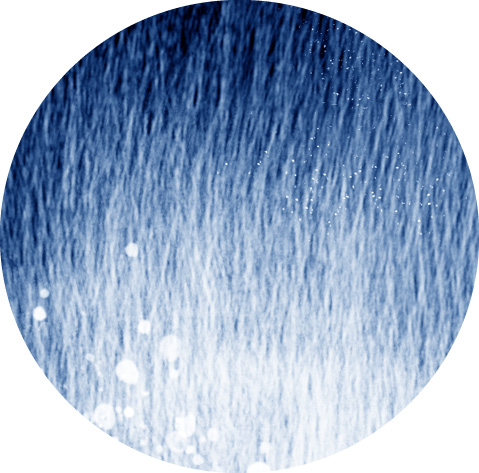
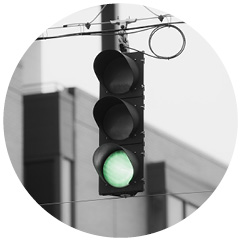
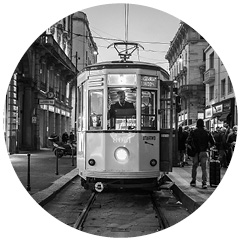
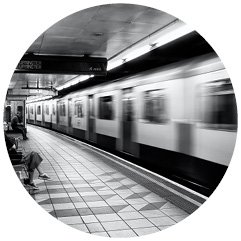
These critical and busy places are converted into experiential spaces that transform following the time marked by the city itself: school class schedules, moon phases, turning on pedestrian traffic lights, metro and streetcar arrivals. Here those who experience the place will wait or be surprised by events: the overflow of an aqueduct, the high and low tide of a lake, the appearance and disappearance of an atoll, the arrival of a sudden wave on the banks of a river, or the gentle one on the shore of a beach.
The combination of water, light and materials blends the wet design into the context and emphasizes the city’s iconic towers and historic buildings.